Commercial Asphalt Repair vs. Full Replacement: What to Know
People searching for commercial asphalt repair are typically looking to fix surface damage efficiently, and local contractors can provide expert repairs or full replacement options based on their needs.
If you’re a property owner exploring options for maintaining or improving your commercial asphalt surfaces, you’ve come to the right place. Understanding the differences between commercial asphalt repair and full replacement can help you make informed decisions that align with your budget, timeline, and long-term goals. Many local contractors offer a range of repair solutions designed to extend the life of existing pavement, often providing practical alternatives to a full overhaul. Staying informed about these options ensures you can choose the most effective approach for your specific needs and keep your property looking and functioning its best.
This guide aims to clarify the key considerations property owners face when deciding between repairs and replacements. Whether dealing with cracks, potholes, or surface deterioration, knowing when a simple repair may suffice or when a full replacement might be necessary can save time and money. Local service providers who specialize in commercial asphalt repair can evaluate your pavement’s condition and recommend solutions tailored to your situation. Keep reading to learn more about how these options compare and how experienced contractors can help you navigate the decision-making process confidently.
- Cracks and minor surface damage - local contractors often recommend commercial asphalt repair to address small issues before they worsen.
- Potholes or surface deterioration - service providers may suggest repairs when damage is localized and the underlying structure remains sound.
- Surface aging or wear from traffic - local pros can perform repairs to restore functionality without the need for full replacement.
- Surface discoloration or superficial stains - repairs can improve appearance and extend pavement life when structural integrity is intact.
- Preventive maintenance needs - asphalt repair services are suitable for addressing early signs of wear and delaying more extensive work.
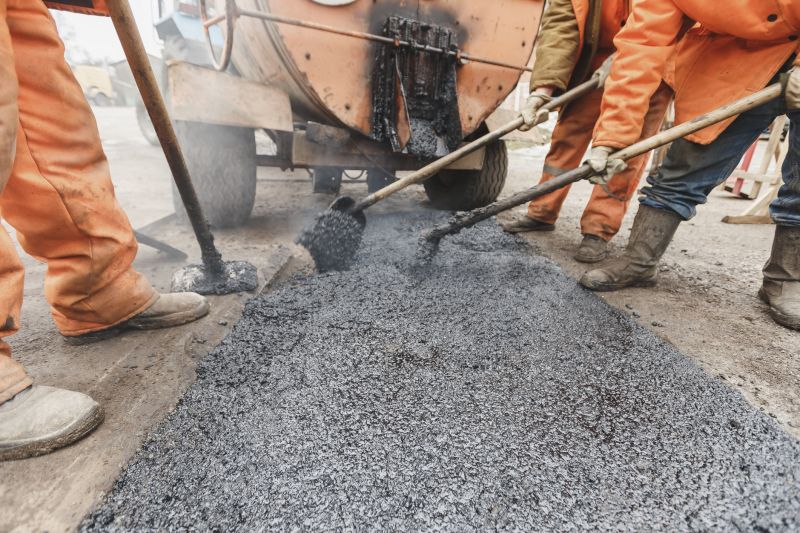
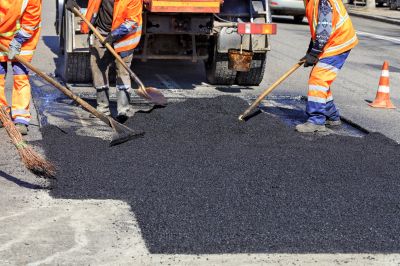
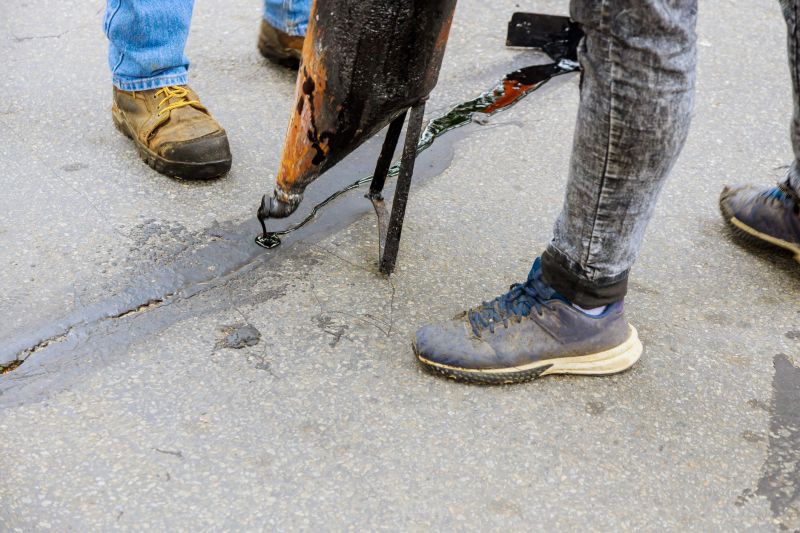
When searching for information on commercial asphalt repair versus full replacement, most people are trying to understand which solution best suits their property's needs. This comparison often arises when property owners notice signs of deterioration like cracking, potholes, or surface unevenness on their parking lots, driveways, or other paved areas. The goal is to determine whether targeted repairs can extend the life of the existing asphalt or if a complete removal and replacement is necessary. These decisions are typically driven by the extent of damage, the age of the asphalt, and the long-term plans for the property, making it essential to evaluate the current condition carefully.
The topic is particularly relevant to commercial properties such as retail centers, office complexes, industrial facilities, and apartment complexes, where parking lots and driveways see frequent use. Homeowners with large driveways or private roads may also encounter similar considerations, especially if the asphalt has developed extensive cracking or structural issues. Property owners often seek guidance on whether repairs will be sufficient to restore safety and functionality or if a full replacement is the only way to achieve a durable, long-lasting surface. Understanding the scope of damage and the types of problems involved helps determine the most effective approach, with local service providers playing a key role in assessing and executing the right solution.
Commercial asphalt repair services typically focus on fixing specific problem areas, such as filling cracks, patching potholes, and sealing surfaces to prevent further deterioration. These repairs are generally less invasive and more cost-effective when the damage is localized. Full replacement, on the other hand, involves removing the existing asphalt entirely and installing a new surface, which is often necessary when the current pavement has experienced widespread failure or structural compromise. Property owners should consider the age of the asphalt, the severity of damage, and their future plans for the property when deciding between repair and replacement. Local contractors can help evaluate the condition of the asphalt and recommend the most appropriate course of action to ensure a durable and safe surface.
Choosing between commercial asphalt repair and full replacement depends on a variety of factors, including the extent of surface damage, the overall condition of the pavement, and the long-term goals for the property. Repair options are suitable for addressing isolated issues and extending the lifespan of the existing asphalt, making them ideal for properties with minimal or moderate damage. Full replacement is often the better choice when the asphalt has experienced extensive cracking, base failure, or structural issues that repairs cannot adequately address. Consulting with experienced service providers can help property owners understand the benefits and limitations of each approach, ensuring that the chosen solution aligns with their needs and provides a solid, reliable surface for years to come.
Parking Lot Resurfacing - parking lot resurfacing involves surface preparation and paving techniques similar to those used in asphalt repair and replacement projects, requiring careful planning and skilled application.
Driveway Paving - driveway paving projects utilize comparable tools and planning processes as commercial asphalt repair, emphasizing surface assessment and proper material application.
Crack Sealing and Sealcoating - crack sealing and sealcoating are preventative maintenance services that share techniques with asphalt repair, helping to extend pavement lifespan and improve surface durability.
Pothole Repair - pothole repair involves localized patching methods that are often part of broader asphalt maintenance and repair strategies used by local contractors.
Sidewalk and Curb Repair - sidewalk and curb repairs require surface assessment and patching skills similar to those needed for asphalt repair and full replacement projects.
Industrial Pavement Maintenance - industrial pavement maintenance includes surface assessment, planning, and repair techniques that align with commercial asphalt repair services and project planning.
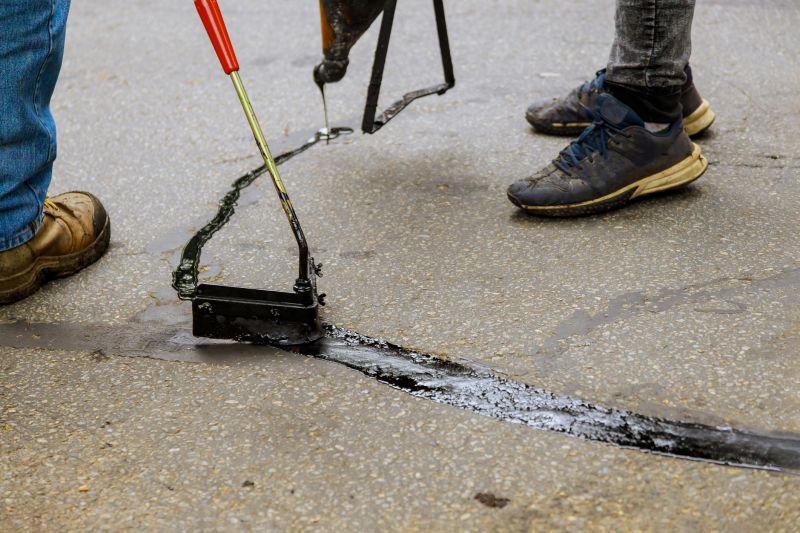
When evaluating commercial asphalt repair services, it is essential to consider the experience of the local contractors with similar projects. An experienced service provider will have a clear understanding of the specific challenges associated with asphalt repair versus full replacement, ensuring they can recommend the most appropriate solution for the condition of the pavement. Homeowners should inquire about the types of projects the contractor has handled in the past, looking for those with a proven track record of successful repairs on commercial properties similar in size and usage. This background can help gauge whether the contractor has the practical knowledge needed to deliver quality results efficiently and effectively.
Clear, written expectations are a vital part of choosing the right commercial asphalt repair provider. Service providers should be willing to outline the scope of work, the methods they plan to use, and what the homeowner can expect in terms of outcomes. Having these details documented helps prevent misunderstandings and ensures all parties are aligned on the project’s goals. Homeowners should look for contractors who are transparent about their process and provide detailed proposals, as this demonstrates professionalism and a commitment to clear communication throughout the project.
Reputable references and good communication are key indicators of a dependable local contractor. Past clients can offer valuable insights into the quality of work, adherence to timelines, and overall professionalism of the service provider. When considering commercial asphalt repair services, it’s beneficial to ask for references or reviews from previous customers who had similar work done. Additionally, a contractor’s responsiveness and willingness to answer questions can reflect their dedication to customer service. Effective communication helps ensure that project expectations are understood and that any concerns are addressed promptly, contributing to a smoother repair experience.
Property owners often search for commercial asphalt repair vs. full replacement: what to know when they are planning practical projects around their homes and businesses. Local pros provide Commercial Asphalt Repair services for everyday jobs and straightforward project options.
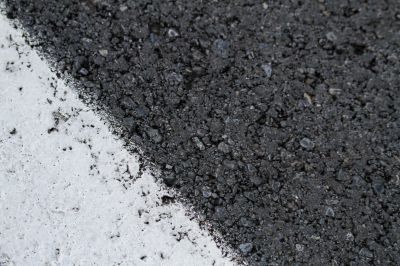
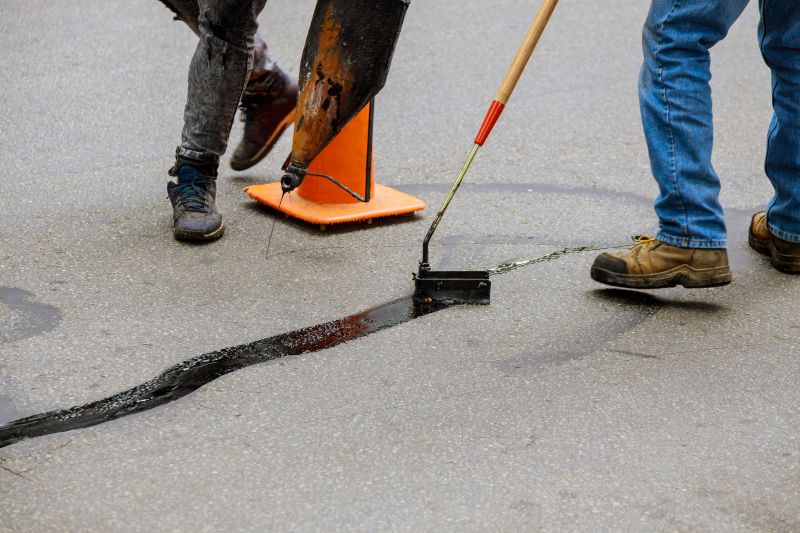
When property owners face cracks, potholes, or surface deterioration in their commercial asphalt areas, understanding the difference between repair and full replacement is essential. Many people seek out information on commercial asphalt repair vs. full replacement to determine the most practical solution for their specific situation. Local contractors often recommend repair services when issues are limited to small areas or surface-level damage, as these options can be more cost-effective and quicker to implement. Repair work can help extend the lifespan of the existing asphalt, making it a suitable choice for maintaining safety and appearance without the need for a complete overhaul.
On the other hand, full replacement might be necessary when the asphalt has extensive damage, deep cracks, or underlying issues that compromise its structural integrity. Property owners considering this route typically look for guidance on whether repair options will be sufficient or if a complete overhaul is more appropriate. Local service providers can evaluate the condition of the pavement and advise on the best course of action. Choosing between commercial asphalt repair and full replacement depends on the severity of the damage and long-term goals for the property, with local contractors ready to help determine the most suitable approach.
What is commercial asphalt repair? Commercial asphalt repair involves fixing specific areas of damaged or deteriorating asphalt, such as cracks or potholes, to restore surface integrity without replacing the entire pavement.
When should full asphalt replacement be considered? Full replacement is typically recommended when the asphalt has extensive damage, widespread cracking, or structural issues that cannot be effectively repaired through patching or surface repairs.
Can commercial asphalt repair help extend the lifespan of a pavement? Yes, targeted repairs can prolong the usability of existing asphalt by addressing issues early, preventing further deterioration, and delaying the need for full replacement.
What are the advantages of choosing repair over full replacement? Repair services are generally quicker and less costly than full replacement, making them suitable for addressing localized damage while maintaining the existing pavement structure.
How do local contractors determine whether repair or replacement is needed? Experienced service providers assess the extent of damage, pavement condition, and structural integrity to recommend the most appropriate solution for each situation.
Assessing Damage - Property owners can evaluate surface wear and cracking to determine whether commercial asphalt repair services are suitable for addressing specific issues.
Choosing Repair Options - Understanding when patching or sealing is enough versus full replacement helps property owners plan effective maintenance projects with local contractors.
Long-Term Planning - Considering future traffic and usage can guide decisions between spot repairs and more extensive asphalt replacement work.
Expert Consultation - Consulting with local pros provides insight into the most practical and cost-effective approach for maintaining or restoring asphalt surfaces.
If you are thinking about commercial asphalt repair vs. full replacement: what to know for a property, this guide is meant to help you understand this topic, the typical project types, and how different options might fit your plans.
When you are ready, you can use the quote form on this page to share a few details about your project. From there, local pros can review the basics and follow up with options that match what you have in mind.